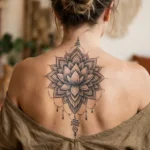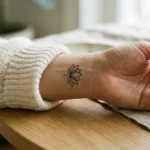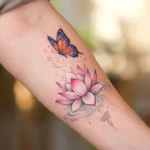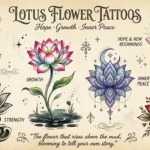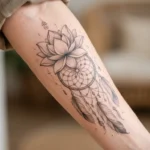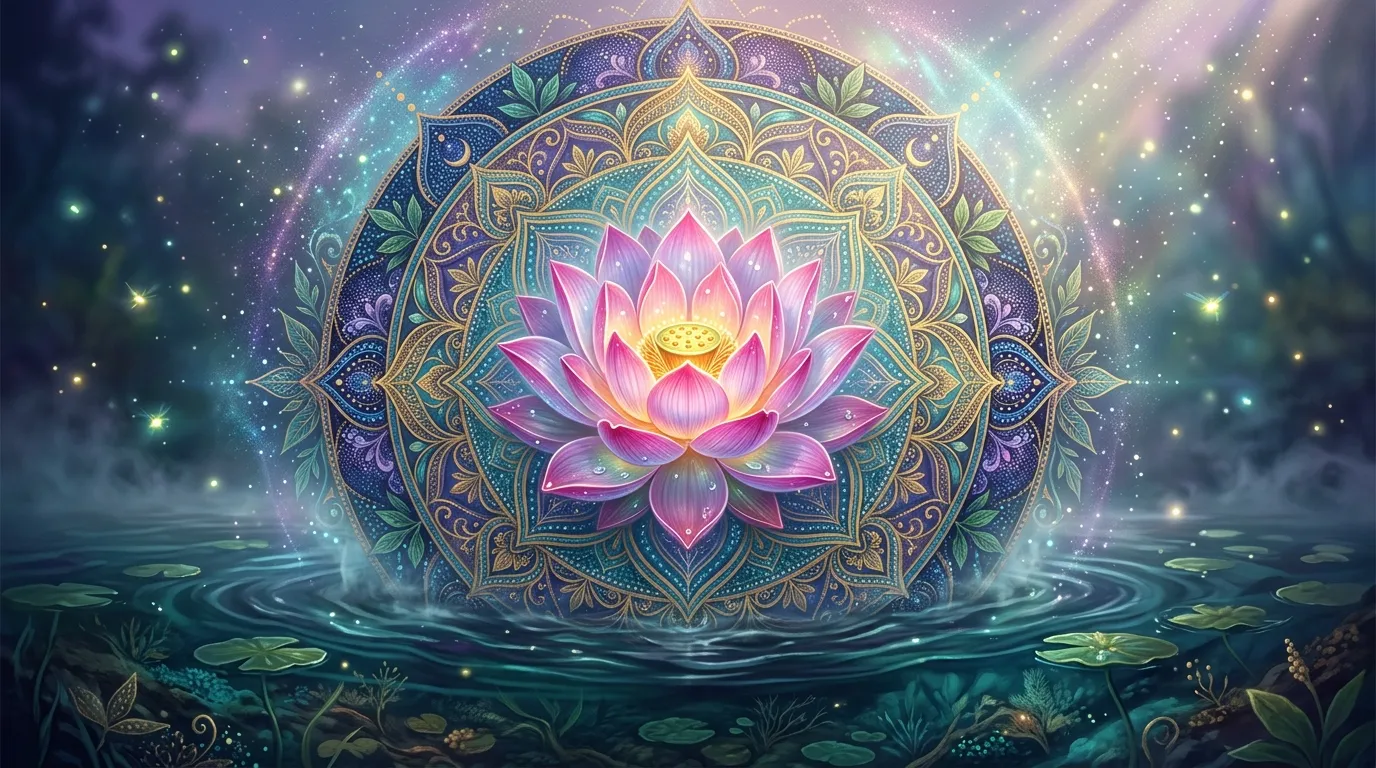
The lotus flower mandala brings together two powerful symbols. First, the lotus stands for growth, hope, and a fresh start. Meanwhile, a mandala uses shapes and patterns to show balance and wholeness. Together, they can remind us to find peace, grow through hard times, and stay true to ourselves.
People choose lotus mandala art for tattoos, wall art, jewelry, and home decor. For example, some connect the Lotus Flower Mandala Meaning with faith and inner peace. Others simply love its beauty and balance. As a result, the Lotus Flower Mandala Meaning can change with the design, color, and person who chooses it.
Quick Meaning of Lotus Flower Mandala
The lotus flower mandala meaning often centers on peace, growth, balance, and a fresh start. For example, the lotus grows in muddy water but opens into a lovely flower. At the same time, the mandala’s round shape and repeated patterns can stand for balance and wholeness.
Together, these symbols may remind people that beauty can grow through hard times. They can also express hope, self-growth, and a calm mind. Still, there is no single meaning that fits every lotus mandala.
Origin of the Name
The word lotus has a long history. It came into English through Latin and Greek. Greek writers used lōtos for certain plants, although the name did not always mean the same flower we know today.
The sacred lotus has the scientific name Nelumbo nucifera. It grows in parts of Asia and is known for its large leaves and round petals. Over time, people have valued it in art, stories, and faith.
The word mandala comes from Sanskrit, an old language of India. In fact, it means “circle.” A mandala is a design built around a center. To create balance, many mandalas use circles, lines, and repeated shapes.
A lotus flower mandala joins the flower with this round design. The lotus may stand for growth and hope. Meanwhile, the circle may suggest unity, balance, or the flow of life.
There is no single person known to have named the lotus mandala. Both the flower and the mandala have long histories in Asian cultures. Their meanings grew through art, faith, and local customs over time.
Lotus Flower in Victorian Flower Language
In Victorian times, some people used flowers to share feelings. For example, each flower could carry a message. A gift of flowers might show love, thanks, sorrow, or care without many words.
However, there is little proof that the lotus had one fixed meaning in Victorian flower language. Many popular flower guides focused on flowers such as roses, violets, and lilies. In contrast, the lotus was more closely tied to older Asian art and faith.
Today, people may give the lotus meanings such as purity, hope, and growth. These ideas often come from the way the flower grows and from its place in Asian traditions. Likewise, a lotus mandala adds ideas of balance and wholeness.
It is best not to claim that Victorians gave the lotus mandala one clear meaning. After all, the design joins symbols from different roots. Its meaning depends on the art, the culture, and the person who uses it.
Botanical Foundations and Profile
The sacred lotus is an aquatic plant. In simple terms, this means it grows in water or wet soil. Its roots rest in mud, while its leaves and flowers rise above the water.
The flower often has many petals around a round center. Meanwhile, its leaves may float on the water or rise above it. Because of these shapes, the lotus is a natural match for the balanced patterns of a mandala.
| Feature | Simple Facts |
|---|---|
| Scientific name | Nelumbo nucifera |
| Native region | Parts of Asia and northern Australia |
| Bloom period | Usually summer, depending on climate |
| Average lifespan | A long-lived plant that can return for many years |
| USDA zones | Often grown in zones 4–10, depending on the type and winter care |
| Species count | Two living species are widely recognized in the genus Nelumbo |
| Plant type | Aquatic perennial, meaning it can live for many years |
| Main growing needs | Sun, warm weather, and water or wet soil |
The lotus is not the same as a water lily. Although they may look alike from a distance, they belong to different plant groups. For this reason, it is helpful to know the difference when reading about lotus art, flower meanings, or plant care.
The lotus flower’s shape can also inspire mandala designs. Its petals spread out from a center, much like the lines in a mandala. As a result, artists may repeat these petal shapes to make a design feel calm and balanced.
History and Cultural Timeline
The lotus and mandala have long stories. Over time, they grew in different places and took on many meanings.
- Thousands of years ago: People in Asia used lotus flowers in art, food, and daily life. The exact dates differ by place and record.
- In ancient India: Lotus designs became important in Hindu and Buddhist art. They could show purity, wisdom, and spiritual growth.
- In early Buddhist texts: The lotus appeared in teachings and stories about wisdom and the path to a better life.
- Over many centuries: Mandala designs became part of religious art, prayer, and quiet thought in parts of Asia.
- In modern times: Lotus mandalas began appearing in tattoos, prints, clothing, jewelry, and home decor.
Overall, these points show a broad history, not one exact path for every design. Different cultures use the lotus and mandala in their own ways. Therefore, a modern lotus mandala may draw on old symbols or simply use their shapes for beauty.
Symbolism Deep-Dive
Growth Through Hard Times
The lotus grows from mud beneath the water. Its stem rises, and its flower opens above the surface. Because of this, many people see the lotus as a sign of hope and growth.
A lotus mandala may remind someone that hard days do not define a whole life. For example, it can stand for learning, healing, or starting again. However, this is a personal meaning, not a rule that every design must follow.
Peace and Balance
A mandala often has a center with shapes that spread around it. The repeated lines can make the design feel steady and calm. In addition, the lotus petals add a soft, natural look.
Together, these shapes may stand for balance in life. Some people use lotus mandalas during quiet thought or prayer. Others, meanwhile, enjoy them as art that makes a room feel peaceful.
The design can also remind people to slow down. In a busy world, its balanced shapes may serve as a simple sign to make time for rest and quiet thought.
Read more about:https://bloomsyflower.com/lotus-flower-meaning-chinese/
Purity and New Beginnings
The lotus flower rises above muddy water and opens into a fresh bloom. In some Asian faiths, it is linked with purity and spiritual growth. For this reason, its clean shape can also suggest a new start.
A lotus mandala may mark a change in life. For example, someone might choose it after a hard time or at the start of a new goal. In this way, it can be a reminder to move forward with care and hope.
Lotus Flower Mandala Meaning by Color
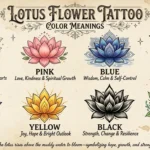
Color can change how a lotus mandala feels. However, color meanings are not the same in every country or faith. Instead, the design, setting, and personal story matter too.
White Lotus Mandala
A white lotus often suggests peace, purity, and a clear mind. In parts of Hindu and Buddhist art, white lotus flowers can be linked with spiritual growth. In many modern designs, white also gives a calm and simple look.
Gifting note: White can feel peaceful and thoughtful. However, in some places, white flowers are linked with mourning or funerals. Therefore, check local customs before giving white lotus art as a gift.
Pink Lotus Mandala
Pink lotus flowers are important in many Buddhist art styles. For example, they may be linked with the Buddha and the path toward wisdom. In modern gifts, pink often feels warm, kind, and caring.
Gifting note: Pink can suit a friend, partner, or family member. Still, the design may feel spiritual to some people, so consider the receiver’s beliefs.
Red Lotus Mandala
Red often brings thoughts of love, warmth, and strong feelings. In some Buddhist art, a red lotus can be linked with the heart and care for others. Meanwhile, modern art may use red to show deep love or courage.
Gifting note: Red can suit a partner or someone you love. However, its meaning may feel bold, so choose a softer shade if the person prefers calm art.
Blue Lotus Mandala
Blue lotus designs often suggest wisdom, calm, and clear thought. However, the plant called blue lotus in many sources is often a water lily, Nymphaea caerulea. Therefore, it is not the same as the sacred lotus, Nelumbo nucifera.
Gifting note: Blue can suit someone who enjoys calm colors or art about learning. If plant accuracy matters, check which flower the design shows.
Yellow or Gold Lotus Mandala
Yellow and gold can suggest joy, warmth, hope, or light. These meanings often come from modern art and color use. Even so, they are not fixed meanings shared by every culture.
Gifting note: Yellow or gold can make a bright gift for a new home, new job, or fresh start. Before choosing, consider whether the person likes bright or quiet designs.
Purple Lotus Mandala
Purple is often used to show mystery, thought, or a sense of wonder. As a result, it may give the design a rich and dreamy feel. Still, these are common color links, not a single old rule.
Gifting note: Purple can suit someone who enjoys art with a bold look. However, avoid assuming that the color has one set meaning for every faith or culture.
Simple Lotus Mandala Color Guide
| Color | Common Meaning | Cultural Note | Gifting Tip |
|---|---|---|---|
| White | Peace, purity, a fresh start | Can be linked with spiritual growth in Asian art; white flowers may mark mourning in some places | Check local customs first |
| Pink | Care, love, spiritual growth | Has a strong place in many Buddhist art styles | Good for a kind or thoughtful gift |
| Red | Love, warmth, strong feelings | Can carry different meanings in different places | Best when bold colors suit the receiver |
| Blue | Calm, wisdom, clear thought | “Blue lotus” may show a water lily, not a true lotus | Check the plant shown in the art |
| Yellow or gold | Joy, light, hope | Often used in modern art for a bright feel | Nice for a new start |
| Purple | Wonder, deep thought, mystery | Meanings vary by design and culture | Choose it for someone who likes rich colors |
No color is right for every person or event. If the gift has a faith-based meaning, learn about that meaning before you give it. In addition, a simple note can explain why you chose the design.
Global Traditions and Literary Impact
The Lotus in Asian Art and Faith
The lotus appears in many Hindu and Buddhist works of art. It may sit beneath a god, a holy figure, or a person shown in prayer. In these settings, it can stand for purity, wisdom, or spiritual growth.
Mandala designs also have a place in some Buddhist and Hindu traditions. For example, some are used in prayer or quiet thought. Because of this, they may have set patterns and meanings, so they are more than simple decoration.
A lotus mandala can bring these ideas together. However, not every lotus design is a religious symbol. Some artists use the flower and circle simply because they look lovely and feel balanced.
If you plan to give a lotus mandala to someone who follows a faith, learn about the design first. That way, you can choose art that respects their beliefs. A simple art print may be welcome, while a sacred design may need more care and thought.
A Real Literary Link: The Lotus Sutra
The Lotus Sutra is a well-known Buddhist text. It shares teachings about wisdom, care, and the path to awakening.
The text is linked with Mahayana Buddhism. Its roots go back many centuries, although its exact date of writing is not certain. Scholars continue to study its parts and history, so the date should be checked in a trusted book source before use in formal writing.
The Lotus Sutra is a real work, but it is not a guide to modern lotus mandala art. Instead, it helps explain why the lotus has a deep place in some Buddhist traditions. It does not prove that every lotus mandala has the same meaning.
Economic, Culinary, and Medicinal Uses
The lotus is more than a flower for art. People grow it for food, garden ponds, and cultural uses. For example, its roots and seeds are eaten in some parts of Asia.
Food Uses
The thick root, often called the lotus root, is used in some Asian dishes. People may slice it for soups, stir-fries, or pickled foods. In addition, the seeds are used in some meals and sweets.
However, food use does not mean every part of every lotus plant is safe to eat. Plant type, growing water, and food handling all matter. For this reason, only eat lotus parts sold for food and prepared in a safe way.
Garden and Pond Uses
Lotus plants are grown in ponds and water gardens. Their large leaves and bright flowers can make a pond feel full and alive. Some people also grow them in large water tubs.
Lotus plants need enough sun and space. Because their roots can spread, they may not suit a small pond. A pot made for water plants can help keep growth under control.
Traditional Uses and Safety
Lotus parts have been used in some traditional health practices. However, this does not prove that they can treat or cure an illness. Strong health claims need good research.
Do not use lotus products in place of care from a health worker. Plant parts, extracts, and powders can differ in strength and quality. If you take medicine, are pregnant, or have a health concern, ask a qualified health worker before using lotus products for health reasons.
Ultimate Etiquette and Gifting Guide
A lotus mandala can be a thoughtful gift for many life events. Its meaning can be about hope, peace, growth, or care. However, choose a color and style that suit the person, not just the event.
| Relationship or Event | Suggested Color | Message It May Share |
|---|---|---|
| Partner or spouse | Pink or red | Love, care, or a strong bond |
| Close friend | Blue or purple | Calm, thought, or a shared love of art |
| Parent or family member | White or pink | Peace, thanks, and care |
| New home | Yellow or gold | Joy, warmth, and a fresh start |
| New job or goal | Yellow, gold, or white | Hope and a new path |
| Person who enjoys meditation | White, pink, or blue | Quiet thought and balance |
| Person who values faith | A design that fits their own tradition | Respect for their beliefs |
| Art lover | Any color they enjoy | Beauty and personal taste |
| Someone facing a hard time | White or pink | Hope and support |
| Birthday gift | Their favorite color | Care and attention to their taste |
These are ideas, not strict rules. For example, a red design does not always mean romance, and white does not always mean peace. The person receiving the gift may have their own view of each color.
A short note can make the gift more personal. You could write, “May this lotus remind you of hope, balance, and new growth.” Above all, keep the message simple and honest.
Universal Safety Rule
When gifting a lotus mandala, think about the person’s beliefs and local customs first. If you are unsure what the design means to them, choose simple art and explain why you picked it. This small step can help make the gift more thoughtful.
Lotus Flower Mandala vs. Close Lookalikes
Lotus mandalas often show the sacred lotus, but other flowers can look similar in art. Water lilies are the closest common lookalikes. Artists may also draw stylized flowers that do not match one real plant.
| Feature | Sacred Lotus | Water Lily | Rose |
|---|---|---|---|
| Petal shape | Many petals rise around a round center | Petals spread around a center, often flatter | Many soft petals form a rounded head |
| Fragrance | Some types have a light scent | Some types have a light scent; others have little scent | Many roses have a clear scent |
| Foliage | Leaves often rise above the water | Leaves often float on the water | Leaves grow on stems above land |
| Bloom season | Often summer, depending on climate | Depends on the type and climate | Often spring to fall, depending on the type |
| Main growing place | Ponds and wet soil | Ponds and still water | Garden soil |
| Flower position | Flower often rises above the water | Flower often rests on or near the water | Flower grows above ground on a stem |
How to Tell Them Apart
Look at the leaves and flower position. Lotus leaves often rise above the water, and the flower usually stands on a tall stem. In contrast, water lily leaves often float, with the flower close to the water.
However, art can change these details to fit a style. A mandala may show only petals and circles, so it may not be possible to name the exact plant from the design alone.
A rose mandala may look full and round, while a lotus mandala often has clear, pointed petals. Even so, artists can mix shapes, so the design may not match one flower exactly.
Practical Maintenance and Domestic Safety
A lotus mandala made from art does not need plant care. However, a real lotus plant needs the right water, sun, and space to grow well.
Care Basics
- Sun: Give the plant plenty of direct sunlight each day.
- Water: Grow it in a pond or a large water pot.
- Soil: Use heavy soil made for water plants. Avoid light potting mix that may float away.
- Pruning: Remove dead leaves and old flowers when needed.
- Space: Give the roots room, or use a large pot to limit their spread.
- Winter care: Needs vary by type and local weather. Therefore, ask a local water-plant seller for advice.
Lotus plants can spread through their roots and seeds. As a result, some types may grow too much for a small pond. Check local rules before planting one in an outdoor pond or near natural waterways.
Pet Safety Warning
Do not assume that every lotus plant or product is safe for pets. The word “lotus” can refer to different plants, and safety advice may vary by species and plant part.
If a pet eats an unknown plant, contact a vet for advice. Meanwhile, watch for signs such as vomiting, loose stool, or unusual behavior. If your pet seems unwell, seek help quickly. Never use human health advice to treat a pet.
Expert Curations and Misconceptions
10 Quick Fun Facts
- The lotus grows in water or wet soil.
- Its roots rest in mud beneath the water.
- Its flowers often rise above the water.
- Lotus leaves can be very large.
- The sacred lotus is called Nelumbo nucifera.
- A mandala often uses a circle as its main shape.
- Many lotus mandalas repeat the flower’s petal pattern.
- The lotus has a long history in Asian art.
- Lotus roots and seeds are eaten in some Asian foods.
- A lotus mandala can have a personal meaning as well as a cultural one.
3 Myths vs. Reality
Myth 1: Every lotus mandala has one fixed meaning.
Reality: The meaning can change with the design, culture, and person. Some designs have religious roots, while others are made for art or decor.
Myth 2: Every lotus mandala is a religious symbol.
Reality: Some are tied to faith or quiet thought. Others, however, are simply pretty patterns inspired by the flower.
Myth 3: A blue lotus is always the same plant as a sacred lotus.
Reality: The name “blue lotus” often refers to a water lily called Nymphaea caerulea. It is not the same species as the sacred lotus, Nelumbo nucifera.
2 Quick Florist Tips
- Match the person: Pick a color they enjoy. In addition, add a short note that shares the meaning behind your choice.
- Check the design: If the art uses a religious symbol, learn what it means before giving it as a gift. This shows care and respect.
Questions About Lotus Flower Mandala Meaning
1. What does a lotus flower mandala mean spiritually?
It can stand for peace, growth, balance, and a fresh start. In some Asian faiths, the lotus also has links to purity and spiritual growth. However, the meaning depends on the design and the person who uses it.
2. Is a lotus mandala a good gift?
Yes, it can be a thoughtful gift for a birthday, new home, or new goal. It may also suit someone who loves flowers or balanced art. Still, choose a design that fits the person’s taste and beliefs.
3. What does a pink lotus mandala mean?
Pink lotus designs are often linked with care, love, and spiritual growth. Pink lotus flowers also have a place in many Buddhist art styles. In modern designs, pink may share a warm and kind message.
4. What does a white lotus mandala mean?
A white lotus mandala may stand for peace, purity, and a clear mind. In some Asian art, the white lotus has spiritual meaning. However, in other places, white flowers may be linked with mourning, so check local customs before gifting one.
5. Is the lotus mandala linked with Buddhism or Hinduism?
Yes, lotus flowers and mandala designs both appear in some Buddhist and Hindu traditions. However, their meanings can vary by teaching and design. Not every lotus mandala is made for religious use.
6. Can you eat lotus flowers or roots?
Lotus roots and seeds are eaten in some foods, especially in parts of Asia. However, this does not mean every lotus part is safe to eat. Use only food-grade parts that are sold and prepared for eating.
7. When do lotus flowers bloom?
Many lotus plants bloom in summer when the weather is warm. However, the exact time depends on the plant type, sunlight, and local climate. A lotus kept in a cold place may bloom at a different time.
8. Is the lotus plant hard to grow?
It needs plenty of sun, water, and space for its roots. A large pot can help control its growth. Since local weather matters, ask a water-plant seller which type suits your area.
9. Where does the word “mandala” come from?
The word comes from Sanskrit, an old language of India. It means “circle.” In addition, mandalas often use a center and repeated shapes to create a balanced design.
10. Did the lotus have a set meaning in Victorian flower language?
There is little proof that it had one fixed meaning in Victorian flower guides. Instead, its links with purity and spiritual growth come more strongly from older Asian traditions. Modern lotus mandalas may combine these ideas with the meaning of a circle.
Final Thoughts
The Lotus Flower Mandala Meaning brings together hope, growth, peace, and balance. The lotus can stand for a fresh start, while the mandala can show wholeness and calm. Together, they create a design full of meaning. The Lotus Flower Mandala Meaning can also remind us that hard times do not stop us from growing, just as the lotus rises from muddy water. You can enjoy this design as wall art, jewelry, or a tattoo. In the end, the Lotus Flower Mandala Meaning is personal, so choose the message that feels right to you. Let the Lotus Flower Mandala Meaning remind you to stay calm, find balance, and keep growing.

Zahid Abbas is an educator, researcher, and digital publishing strategist behind BloomsyFlower, a flower and gardening resource covering flower meanings, symbolism, history, care, seasonal blooms, and gifting. He combines research with simple, reader-friendly writing to help people understand, grow, and enjoy flowers.